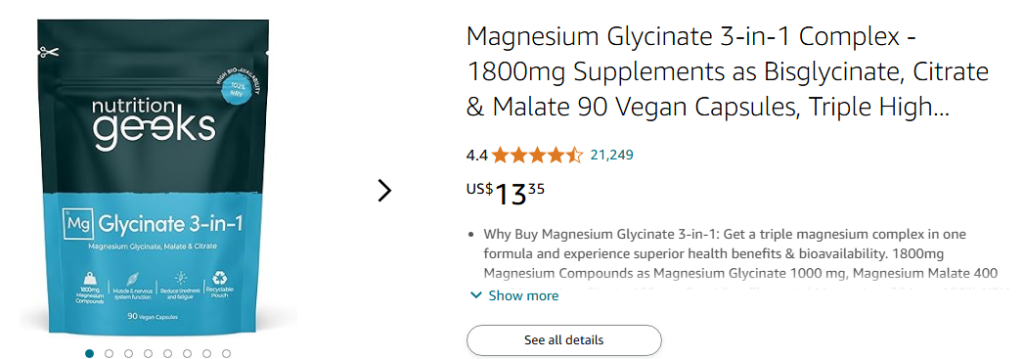
Magnesium glycinate is a highly bioavailable form of magnesium that is chelated with glycine, an amino acid. This compound is often used as a dietary supplement to support overall health due to magnesium’s essential role in various physiological functions. Magnesium is one of the most abundant minerals in the body, and it plays a critical role in over 300 enzymatic reactions, including energy production, muscle function, nerve transmission, and bone development.
Chemical Composition and Bioavailability
Magnesium glycinate is made up of magnesium bound to two molecules of glycine. The glycine molecule helps the magnesium to pass through the intestinal wall without being affected by digestive enzymes, which increases its absorption rate compared to other forms of magnesium. This makes magnesium glycinate one of the best forms of magnesium for those who require higher absorption, especially individuals with digestive issues or sensitivities to other forms of magnesium.
Health Benefits of Magnesium Glycinate:
Supports Muscular Function:
Magnesium is essential for muscle contraction and relaxation. It helps prevent muscle cramps, spasms, and weakness. Magnesium glycinate, with its superior bioavailability, is particularly useful for athletes, individuals who engage in physical activities, or those who experience leg cramps during sleep.
Promotes Bone Health:
Magnesium is crucial for the maintenance of healthy bones as it supports calcium metabolism and helps in bone mineralization. Regular magnesium intake has been linked to better bone density and a reduced risk of osteoporosis.
Improves Sleep Quality:
One of the most well-known benefits of magnesium glycinate is its ability to improve sleep quality. Magnesium has a calming effect on the nervous system by regulating neurotransmitters involved in the relaxation response, such as gamma-aminobutyric acid (GABA). As a result, it may be beneficial for individuals suffering from insomnia or those experiencing difficulty falling or staying asleep.
Supports Cardiovascular Health:
Magnesium plays an important role in maintaining a healthy heart rhythm. It helps regulate blood pressure, reduce the risk of arrhythmias, and improve overall cardiovascular function. Magnesium glycinate is considered a safe option for individuals with hypertension or those at risk for heart disease.
Aids in Stress and Anxiety Reduction:
Magnesium has a natural calming effect on the body, and supplementation with magnesium glycinate can help alleviate symptoms of anxiety and stress. This is particularly beneficial for individuals with high levels of stress, as magnesium may help lower cortisol levels, the hormone associated with stress.
Supports Digestive Health:
Magnesium plays a significant role in regulating digestion by promoting proper bowel function and preventing constipation. Magnesium glycinate, due to its gentle effect on the digestive system, is often recommended for individuals with sensitive stomachs.
Helps Manage Blood Sugar Levels:
Studies have shown that magnesium helps regulate insulin sensitivity and blood sugar levels. This is beneficial for individuals with type 2 diabetes or those at risk of developing the condition.
Side Effects and Safety:
Magnesium glycinate is considered to be one of the safest and most tolerable forms of magnesium supplementation. Its chelation with glycine helps to minimize gastrointestinal discomfort, such as diarrhea, which is common with other forms of magnesium. However, excessive magnesium intake can lead to adverse effects such as nausea, vomiting, low blood pressure, and irregular heartbeat. It is essential to follow recommended dosages and consult a healthcare provider before starting supplementation, particularly for individuals with kidney problems or those taking other medications.
Conclusion:
Magnesium glycinate is an excellent supplement for supporting a variety of health functions, particularly for individuals who need a highly bioavailable form of magnesium. Its benefits are vast, ranging from improved sleep quality to enhanced muscle and bone health. Given its gentle effect on the digestive system, it is a preferred option for those who are sensitive to other forms of magnesium. As always, it is important to consult with a healthcare provider before beginning any new supplement regimen.
Buy it from amazone uk